
Reach has been approached as the holy grail in marketing over the past few years. If you could put your brand in front of enough people, the thinking went, a portion of them would eventually care. But the dynamics of influence have shifted. Reach is no longer rare, and attention is no longer guaranteed.
The brands winning today aren’t the ones buying the biggest audiences; they’re the ones embedding themselves in the cultural currents, communities, and creative ecosystems that people actually care about. The future belongs to partnerships that feel relevant, not those that are just broadcast at scale.
Because here’s our view: reach amplifies; relevance converts.
Reach Isn’t Rare Anymore
There was a time when reach felt like a competitive advantage, when distribution itself was the barrier to entry. However, times change. Today, any brand can buy impressions at scale, and algorithms have made follower count increasingly meaningless.
Even huge creators can deliver inconsistent performance, and paid amplification can only push so far. It’s why there has been such a rise in brands partnering with micro influencers.
Reach has become a widely available, easily purchased commodity and is no longer a reliable indicator of influence or impact. When everyone can shout, it’s harder to be heard.
Cultural Relevance Builds Emotional Equity
If reach is cheap, relevance is priceless. Brands that understand the nuances of a community, its humour, its values, and its language, build emotional equity that no media buy can replicate.
Consumers lean towards brands that feel culturally fluent, not those shouting the loudest from the sidelines.
This emotional connection compounds over time, turning into loyalty, advocacy, and long-term brand value. People remember the brand that “gets it,” not the one that simply appeared in their feed.
Communities Beat Audiences
There’s a structural difference between an audience and a community. Audiences passively watch whilst communities actively participate, with participation being the engine of modern influence.
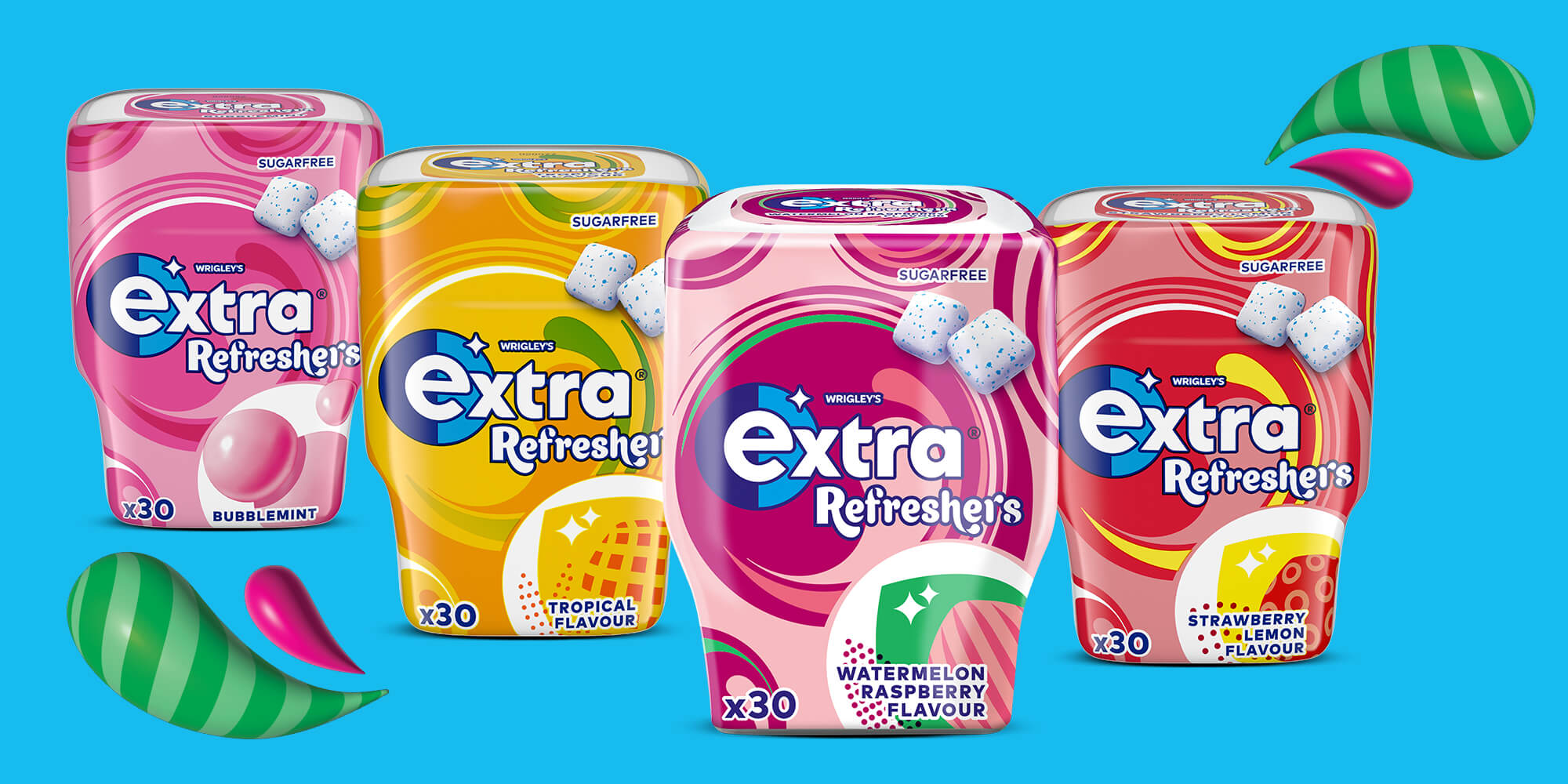
Creators tied to specific subcultures or passion points, whether that’s running, ramen, rave culture, skincare science or trainer design, carry a trust and authority that generic “big reach” creators cannot touch, which is why we worked with MattB and Extra Gum to create a partnership that resonated with Gen Z consumers.
By tapping into communities rather than crowds, brands gain access to belief, not just eyeballs.
Collaborate With Culture, Don’t Chase It
Too many brands treat culture like a trend report: a set of things to “tap into” once they’ve already peaked. The result is predictable partnerships that feel opportunistic, tone-deaf, or two weeks too late.
The real win comes when brands co‑create with cultural insiders who actively shape the energy of a scene. These creators influence what people wear, watch, quote, stream, buy, imitate and remix.
Partnerships built on co‑creation feel organic, timely, and emotionally resonant because they’re made from the inside out.
Cultural Misalignment Is Costly
When brands prioritise reach over cultural fit, the risks multiply. Tone deaf collaborations spark backlash, misaligned talent dilutes brand identity and high-reach, but low-relevance content fizzles out instantly.
The cost of being out of touch can be higher than the cost of staying quiet. In a world where consumers can instantly sense authenticity (or the lack of it), cultural missteps are expensive not just financially, but reputationally.
Cultural Credibility Can’t Be Bought
You can’t purchase cultural relevance through a single paid partnership, no matter how big the name, because credibility comes from consistent participation, showing up in the right spaces, with the right voices, in the right way.
That means listening before speaking. Co‑creating rather than dictating allows creators to shape the narrative, not just deliver it.
Over time, this earns a kind of trust that media budgets simply can’t buy, and the right partnership begins to market itself as seen with Molly Mae’s collaboration with Adidas, where the Reddit discussion around it reveals just how fiercely communities defend the creators and spaces they care about.
The Rise of Contextual Influence
Influence today is contextual, not universal. A creator with 20,000 followers who holds deep authority in a niche can shape behaviour more effectively than a mainstream celebrity with millions.
Consumers care about who is speaking, to which community, and why they’re qualified to speak, far more than how many people they can theoretically reach.
Context is the new credibility. Specificity is the new scale.
The Best Partnerships Feel Like Culture, Not Ads
The most effective brand collaborations don’t feel like advertising at all; they feel like culture. They show up in music, fashion, gaming, nightlife, internet aesthetics, and emerging subcultures in ways that feel native and creatively alive.
When a partnership feels like culture, people choose to engage with it. They share it. They reference it. They remix it. The right partnership is a contribution to their culture, rather than an interruption.
Measurement Needs a Reset
Traditional KPIs like reach and impressions measure volume, not value; they don’t reflect how culture moves, spreads, or shifts opinion.
Forward-thinking brands should evolve their metrics to include:
- Quality of engagement
- Sentiment and cultural resonance
- Creator credibility
- Share-of-culture
- How often something is referenced, remixed, or memed
These signals reveal whether a partnership has entered the cultural conversation, not just the algorithmic one.
And Here’s the Major Shift Brands Aren’t Talking About Enough: HFSS Legislation Changes Everything
The UK’s HFSS advertising restrictions have essentially removed paid digital advertising for identifiable HFSS products, wiping out social ads, influencer ads, display ads, and search ads. Brand-only advertising is still allowed, but product-led marketing is gone.
This creates a seismic shift: if HFSS brands want attention, they must earn it.
Not through volume. Not through paid reach. But through relevance.
Cultural partnerships suddenly aren’t a “nice-to-have”; they are one of the few remaining levers for online visibility. HFSS legislation hasn’t closed the door on advertising; it has closed the door on lazy advertising.
To stand out now, HFSS brands can leverage partnerships more than ever to create campaigns that are culturally meaningful, creatively distinctive, and worth talking about. Because when you can’t push product to people, the brand-building content has to be good enough for people to desire the product themselves.
The Future: Relevance > Reach
The next decade of brand partnerships won’t be defined by who shouted the loudest or bought the biggest audience. It will belong to the brands that understand culture, collaborate with credible voices, and show up in ways that resonate emotionally.
Reach amplifies; relevance converts. And in a world oversaturated with content, relevance is the only metric that truly compounds. Get in touch with our team to start a conversation about how your brand can show up where it actually matters.