
You thought we’d start with something revolutionary? Sadly not. Brand activations in 2026 are set to evolve with the same vigour as in previous years.
This is because attention remains hard to earn, audiences are increasingly selective, and the days of brands simply “turning up” with a logo and a freebie are well and truly behind us.
What people want now are experiences that feel considered, relevant and worth their time.
As audiences shift from online to offline, brand activations are set to be more relevant than ever.
As a result, we believe brands will rethink what activation really means. It’s no longer about the biggest footprint or the loudest message. Instead, it’s about creating moments that feel authentic, non-digital and genuinely connected to real lives.
Here are our thoughts on key brand activation trends that’ll shape the year ahead. And we’re going to look at this from a more experiential POV.
From One-Off Moments to Always-On Presence
In 2026, activations are less about single big-bangs and more about sustained engagement. Brands are shifting investment from one-day spectacles to ongoing platforms that allow them to show up more consistently, in relevant and considered ways.
This is particularly visible on the UK high street. Retail spaces are increasingly being used more creatively, with pop-ups and shopping experiences that evolve throughout the year (think seasonality as an example).
Brands like Nike and Adidas use their retail locations not just to sell products but also to host workshops, local runs, and cultural events that keep people coming back. (Though it feels like a natural evolution of the tried-and-tested Apple in-store experience).
The result is familiarity without fatigue. When an activation feels like part of the landscape rather than a brief interruption, it builds stronger and longer-term relationships that ultimately feel more credible.
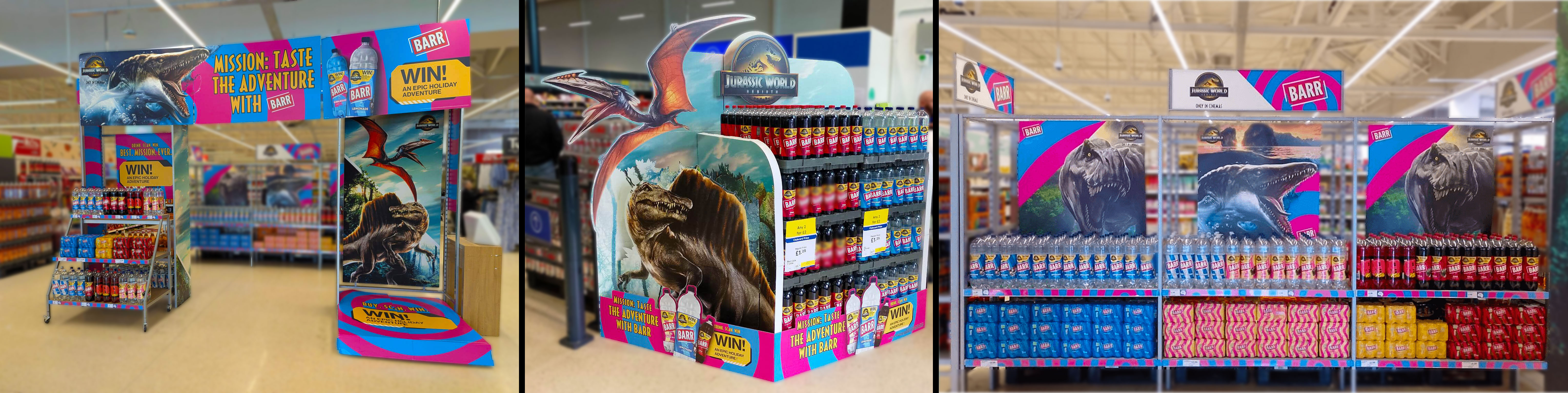
Physical and digital working together smartly
Hybrid experiences are nothing new, but in 2026, we feel they’re going to take a step further and become far more seamless, with a greater emphasis on the physical over the digital.
Across UK festivals, exhibitions and retail environments, we’re seeing physical experiences supported by subtle digital layers.
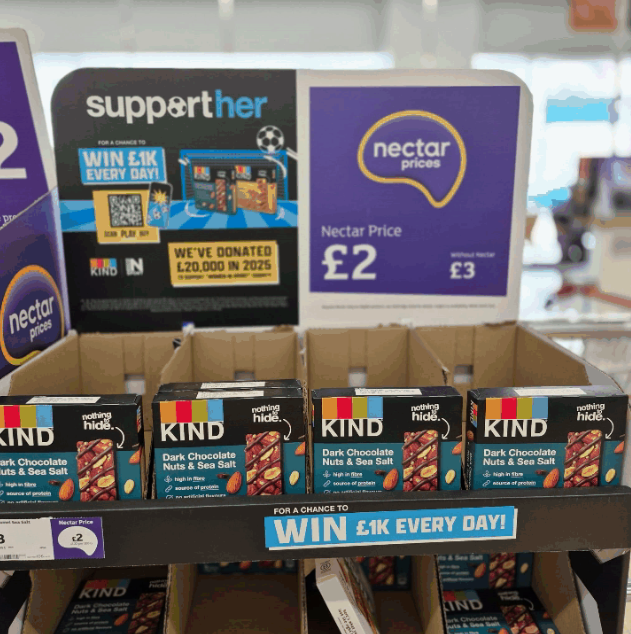
QR codes that unlock useful, personalised content, interactions that extend the experience beyond the event, or digital rewards that follow participants home afterwards. 59% of users scan QR codes daily to access information, offers, and services instantly.
Tech has been at the heart of an activation strategy for a long while now – there’s nothing new there. But its usage is likely to be more subtle, more integrated and more targeted.
For example, brand activations around major cultural moments like Glastonbury or London Fashion Week increasingly blend live moments with digital storytelling, ensuring the experience doesn’t end when people leave the site. It’s about continuity, not novelty.
And here there’s the opportunity to add an extra layer of personalisation, to really expand on the users’ experiences.
Personalisation, without the Creep Factor
Audiences still want personalised experiences, but they are far more conscious of how their data is used to gather that personalisation. In 2026, we reckon smart activations will focus on relevance and cultural-relevance.
This might take the form of location-specific messaging, tailored offers based on real-time behaviour, or experiences that adapt to how people interact with the brand and the experience, particularly with increased investment in retail media. Though the big watch point here is transparency, when people understand what they’re getting in return, they’re far more willing to engage – a no-brainer, really – but something to always keep at the back of your mind.
UK supermarket brands have been doing this quietly for years through loyalty schemes and now that same thinking is appearing in live brand environments, where personalisation feels helpful rather than intrusive.
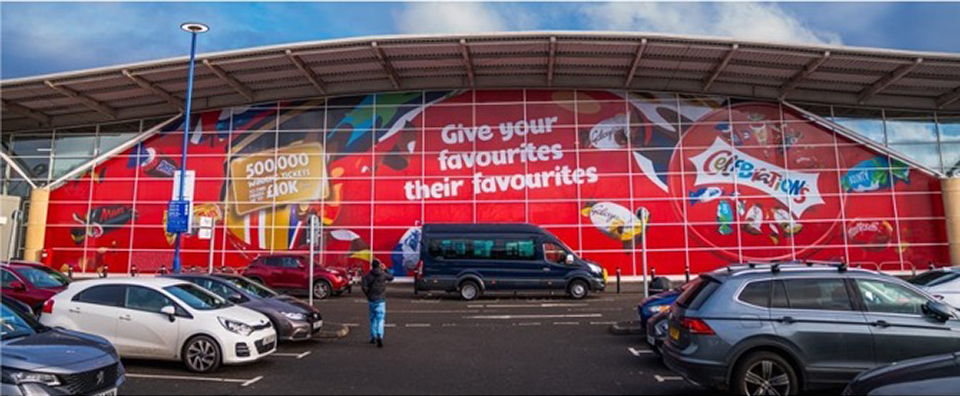
Community Over Crowds
Though big-audience locations such as Covent Garden or King’s Cross guarantee footfall, bigger doesn’t always mean better.
One of the clearest trends we see in 2026 is a shift towards smaller, more meaningful activations (though ensuring your audience will be there is a whole blog in itself!)
These activations may reach fewer people in person, but their impact travels further. Attendees are more likely to share, talk and advocate when they feel genuinely involved. Again, it taps into a feeling of personalisation, and a micro-over-macro approach.
Looking Ahead
Brand activation in 2026 is set to be more grounded in authenticity. More human and more strategic. Technology and the use of it in an activations will undoubtedly be a guaranteed, though the best work will feel less like marketing and more like something people are glad they ‘stumbled across’.
When those elements come together, activation stops being a tactic and starts becoming a meaningful part of the brand story.
If you’re rethinking how your brand shows up in the real world, now’s the time to get intentional about it. Whether you’re building an always-on presence, blending physical and digital more seamlessly, or creating community-led moments that actually resonate, the strategy behind it matters just as much as the spectacle.
If you’d like to explore how your 2026 activation plans could work harder, feel more authentic and drive measurable impact, get in touch with our team. Let’s build something people are genuinely glad they experienced.