
Consumers today are hyper-informed and tend to under-trust brands. Polished ads no longer cut through; consumers scroll past them and instead search for value in real places, Reddit threads, micro-influencer feeds, and unfiltered customer stories.
With the cost-of-living squeeze lingering on, people want confidence that every purchase delivers value. With this context in mind, it shapes how we design promotions and the alliances behind them.
To explore whether licensing or partnerships deliver more value for brand promotions, let’s start by defining the two approaches.
What Is Brand Licensing and How Does Brand Licensing Work?
Licensing utilises a logo, character, or other IP to make a promotion instantly recognisable. It’s an efficient equity-borrow that’s great for media or seasonal tie-ins, giving your brand a fast-track boost to visibility. It’s a commercial deal that leverages an existing IP to raise your product’s recognition.
What Are Brand Partnerships and How Do Brand Partnerships Work?
Partnerships, in contrast, are about the co-creation of value through authentic and organic alignment. Two brands – or a brand and creator – align on audience, values and outcomes to build something together, whether this is an exclusive product, launch an NPD, a series, or an experience. Partnerships take longer to execute but create more depth to the proposition.
What’s our favourite type of ship? A partnership
Consumers chase purchase decisions that feel right. They’re not chasing deals alone; authenticity is a governing factor in many consumer purchase decisions.
Partnerships thrive in this space, where depth matters: premium positioning, categories that need education (beauty, tech, wellness) or audiences that are sceptical of generic advertising.
Brand-brand or brand-creator collaboration demonstrates shared values in ways a licensed logo can’t, with behind-the-scenes product builds, co-authored content, shared sustainability values, and direct community engagement (AMAs or early-access drops).
Partnerships also compound; once you co-create, you have a content pathway that can be self-generating, from launch stories to usage tutorials to honest reviews to exclusive content, reducing future media costs and growing trust organically over time.
Brand Licensing: A Fast-Track Tool for Brand Promotion
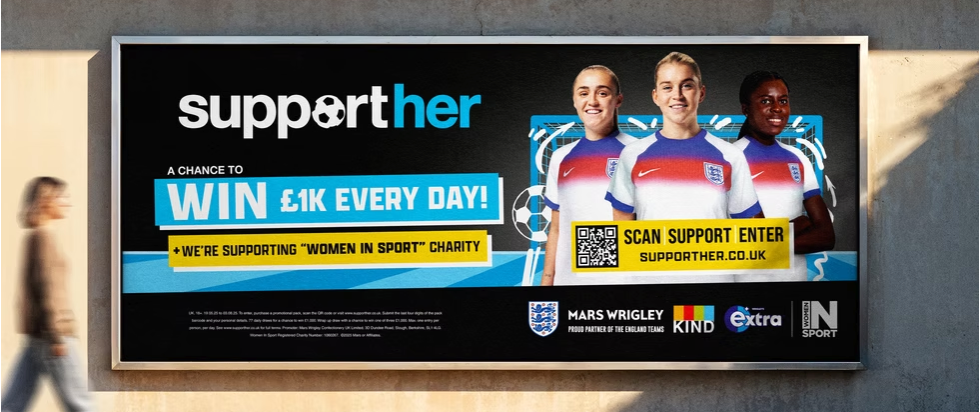
If your objectives are speed, scale and instant recognition, licensing delivers. Think branded popcorn buckets or video-game-branded school lunch boxes.
Contract frameworks are well established, creative approvals are simplified, and rollouts across channels can be done at pace.
However, licensed equity can feel borrowed, or bought, rather than earned. Add in consumers’ tendency to research purchases for quality and longevity, and you’ll need this backed up by credible social proof (e.g., UGC and authentic reviews) to avoid looking like a simple IP overlay.
Licensing typically means fixed fees plus royalties – you know what you’re paying and how much it will cost you. In contrast, the cost of partnerships can often be harder to estimate, with less visibility into costs up front.
Partnerships and Brand Equity: Why Co-Creation Builds Long-Term Value
Partnerships are highly cost-effective, through utilising the resources and expertise of another business, you’re able to extend your marketing budget through a mutually beneficial agreement.
With swathes of experience managing this process, brokering deals and talent liaison, agencies can ensure a smooth process throughout for all stakeholders engaged in the partnership – something that we at Lime are experts at.
Licensing vs Partnerships: What Is Brand Promotion’s Best Strategy?
So, which strategy delivers more value?
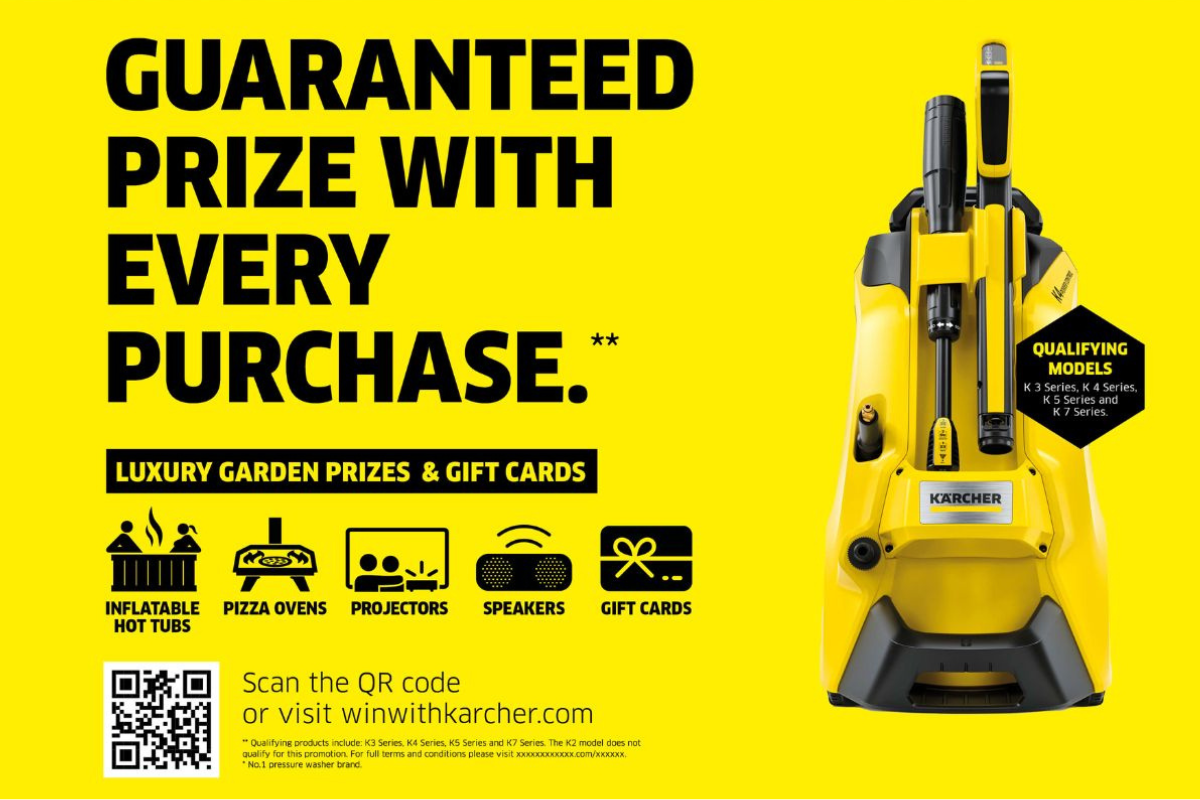
Well, sadly, there’s no silver bullet here! But here’s a summary of our thoughts for you to ponder on. Licensing is your high-velocity tool, delivering speed, seasonal, and specific context relevance, bringing instant recognition.
If you’re launching a short-term promotion, licensing offers a proven framework with predictable costs and rapid execution. It’s a quick win to leverage borrowed existing brand equity. It can, however, feel transactional.
To maximise impact, it must be paired with authentic social proof to avoid feeling like a superficial IP overlay.
If you’re looking to build lasting preference, community, and a defensible story with deep resonance with consumers, partnerships will deliver a bigger impact in the long run; they deliver greater impact when your goal is to build lasting preference with deeper trust.
Partnerships tap into shared values and co-create experiences that resonate beyond a single campaign, with an association between the brands/creators that lasts. If you’re seeking cultural relevance and authentic interaction, this is the route to choose. If you would like to discuss how we can help with this, get in touch with our team.
